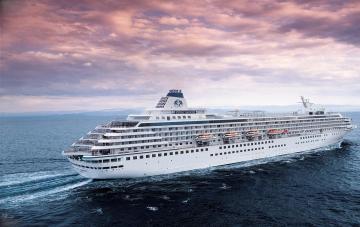
Solo travel is one of the most rewarding ways to explore the world, offering unmatched freedom and the opportunity to set your own pace. While backpacking and trains are classic choices for independent adventurers, ferry travel introduces a completely different element of romance and discovery. Traveling by ferry allows you to witness breathtaking coastal landscapes, enjoy the open sea, and easily hop between islands or countries. For Russian independent tourists, sea and river voyages open up incredible routing possibilities both domestically and internationally.
However, heading out onto the open water completely on your own requires careful preparation. Unlike a train or a plane, a ferry is a massive floating ecosystem where you might spend anywhere from a few hours to several days. To make your solo maritime journey smooth, safe, and unforgettable, we have gathered essential practical tips tailored specifically to the needs and logistical realities faced by Russian travelers.
Smart Route Planning and Booking Realities
The success of any independent ferry trip begins long before you step onto the pier. Booking early and choosing the right itinerary will save you time, money, and unnecessary stress.
Navigating International and Domestic Routes
Russian solo tourists have access to fantastic ferry routes. Domestically, you can explore the stunning vistas of Lake Ladoga, the White Sea, or embark on a unique journey through the Russian Far East to Sakhalin and the Kuril Islands. Internationally, popular routes connect neighboring regions, such as ferry crossings to Turkey across the Black Sea, or voyages in the Caspian region.
When planning, always keep seasonal factors in mind. Navigation windows in northern and eastern Russia are relatively short, often limited to late spring through early autumn. Storms can happen at any time, potentially disrupting schedules, so always build a flexible buffer day into your travel itinerary.
Ticketing and Accommodation Choices
When traveling alone, your choice of onboard accommodation is crucial for both comfort and budget management:
- Deck Space / Airline Seats: This is the cheapest option, perfect for short daytime crossings lasting 2 to 5 hours. However, for overnight journeys, sleeping in a chair surrounded by strangers can be exhausting.
- Shared Cabins: A budget-friendly option for long hauls, but as a solo traveler, you will be sharing a tight space with unfamiliar passengers. Be prepared for different sleeping habits and snoring.
- Private Single Cabins: The ultimate choice for solo tourists. It provides total privacy, a secure place to lock up your belongings, and a private bathroom to refresh yourself before arriving at your destination.
Navigating Documents and Finances Alone
When you travel without a companion, you are solely responsible for your paperwork and money management. There is no one else to double-check your passport or watch your bags while you look for a wallet.
Visa and Passport Requirements
Популярные статьи



If your ferry route crosses international borders, verify the visa policy of the destination country well in advance. Some international ferry terminals have strict passport control protocols similar to airports. Ensure your Russian passport is valid for at least six months beyond your planned return date. It is highly recommended to keep digital copies of your passport, visa, and ferry tickets stored securely in cloud storage, as well as keeping printed copies in a waterproof folder separate from your main documents.
Managing Money on Board
Independent Russian tourists must pay special attention to financial logistics, especially on international waters. Due to current banking restrictions, Russian-issued Mir, Visa, and Mastercard credit cards usually do not work on foreign vessels or at international ports.
Always carry a sufficient amount of cash in widely accepted currencies (such as US Dollars, Euros, or the local currency of your destination country). Alternatively, ensure you have a functioning bank card issued by a foreign bank. Keep in mind that satellite internet on the open sea can be slow or non-existent, meaning card terminals on board might fail even if your card is valid. Cash remains king on the waves.
Safety and Practical Comfort for Solo Travelers
Onboard a large vessel, keeping yourself healthy and your belongings secure should be your top priorities.
Luggage Security
If you booked a private cabin, your luggage is safe behind a locked door. However, if you chose a deck seat, you will need to manage your bags wisely. Use heavy-duty luggage locks. When you need to visit the restaurant, restroom, or outer viewing decks, never leave your valuables (phone, camera, money, documents) unattended. Carry a small, lightweight daypack that stays with you at all times, leaving only bulky clothes in your main suitcase.
Beating Seasickness and Staying Connected
Even the most modern cruise ferries with advanced stabilization systems can experience rocking during a storm. Pack a reliable motion sickness medication (such as Dramina) in your pocket, not deep in your luggage. Eat light meals before boarding and avoid heavy, greasy food during the cruise.
To stay connected, remember that mobile networks disappear shortly after leaving the port. Roaming on the open sea via satellite networks is incredibly expensive. Turn off cellular data or switch to airplane mode to avoid accidental charges, and rely on the ship’s Wi-Fi packages if you absolutely need to check in with family back home.
Conclusion
Solo ferry travel is an incredible way for independent Russian tourists to experience the freedom of the seas. It combines the thrill of adventure with the comfort of a slow, scenic cruise. By taking care of your financial logistics in advance, selecting the right cabin option, and maintaining basic safety awareness on board, you can fully immerse yourself in the journey. The open sea is waiting, and the memories you make on your solo voyage will undoubtedly last a lifetime.