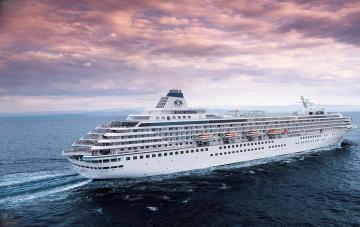
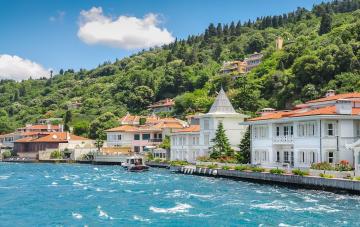
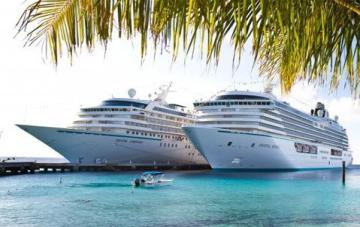
A journey across the northern seas is more than simply a way to reach another destination. Traveling by ferry through Scandinavian waters offers a unique combination of transportation, sightseeing, maritime adventure, and history. Outside the windows, rugged coastlines, islands, fishing villages, and towering mountains gradually replace the familiar landscape, creating the feeling of entering another world.
For travelers fascinated by Nordic nature and Viking history, a ferry journey can become an important part of the vacation itself. Instead of treating the ship as a simple means of transportation, passengers can slow down, enjoy the sea views, and discover the landscapes and cultural heritage of the far north.
Why Travel Through the Northern Seas by Ferry?
Ferries offer an experience that is very different from flying. An airplane crosses a region in a few hours, while a ferry allows travelers to watch the landscape change gradually. The transition from open water to narrow coastal passages and dramatic fjords can be one of the most memorable parts of the journey.
- Enjoy panoramic views of the Scandinavian coastline.
- Travel with a vehicle when the route allows it.
- Combine several destinations in one trip.
- Experience Nordic maritime culture.
- Relax during the journey instead of concentrating on driving.
For road-trip travelers, ferries can also make it possible to explore remote coastal regions that would otherwise require long drives between destinations.
Fjords: The Natural Highlight
Fjords are among the most spectacular landscapes associated with northern Europe. These long, narrow bodies of water are surrounded by steep mountains and cliffs, creating scenery that can look almost unreal from the deck of a ship.
The View from the Deck
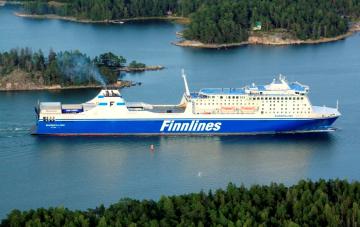
One of the best reasons to spend time outside during the crossing is the constantly changing panorama. Mountains may appear in the distance before the ship enters a narrower passage. Small islands, waterfalls, forests, and isolated settlements can then become visible along the shoreline.
Weather can transform the scenery completely. Clear skies reveal distant peaks, while mist and low clouds create a mysterious atmosphere that seems particularly appropriate for the legends of the north.
When to Travel
The best season depends on the type of experience travelers want. Summer generally provides long daylight hours and more opportunities for sightseeing, while the colder months offer a darker, more dramatic atmosphere and the possibility of seeing snow-covered landscapes.
Regardless of the season, warm waterproof clothing is useful. Conditions on the deck can be considerably colder and windier than they appear from inside the ship.
Following the World of the Vikings
A northern ferry journey can also become a trip through Viking history. Scandinavia was home to seafaring communities whose ships traveled across the North Atlantic, the Baltic region, and beyond. Coastal geography played an important role in their lives, and many historic settlements developed close to the water.
Modern travelers can encounter this heritage in museums, archaeological sites, reconstructed settlements, historic monuments, and local exhibitions. Learning about Viking navigation, shipbuilding, trade, and exploration adds another dimension to the landscapes visible from the ferry.
Популярные статьи
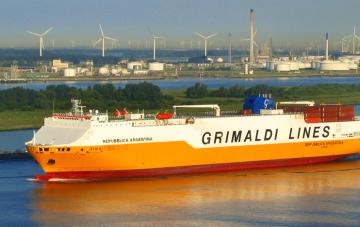
Coastal Towns and Nordic Culture
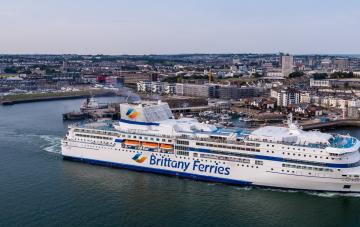
Ferry routes often connect major cities with smaller coastal communities. These stops provide opportunities to experience a slower side of Scandinavian life.
Travelers can explore waterfront streets, local markets, traditional architecture, small museums, and restaurants serving regional dishes. In fishing communities, the relationship between the population and the sea is particularly noticeable.
Even a short stop can reveal differences between destinations. Architecture, food traditions, landscapes, and local customs may change considerably from one coastal region to another.
Life Aboard a Northern Ferry
The ship itself can be part of the adventure. Depending on the route and vessel, passengers may have access to restaurants, cafés, lounges, observation areas, shops, entertainment facilities, and comfortable cabins.
A cabin is especially useful on longer crossings. It provides a private place to rest and makes it easier to enjoy the journey without worrying about the weather or the changing temperature outside.
What to Pack
Practical clothing is more important than fashionable clothing on a northern sea journey. Travelers should consider bringing:
- a warm jacket suitable for wind;
- water-resistant footwear;
- comfortable clothing for walking;
- gloves and a hat during colder seasons;
- a camera or smartphone for landscape photography.
Binoculars can also be useful for observing distant islands, seabirds, ships, and coastal settlements.
Combining a Ferry Journey with a Road Trip
One of the greatest advantages of ferry travel is the possibility of taking a car on selected routes. This creates an excellent format for a Scandinavian road trip. Travelers can use the ferry to cross a body of water and then continue exploring independently by road.
This approach offers considerably more flexibility than a traditional organized tour. Instead of spending the entire vacation in major cities, travelers can visit small villages, scenic viewpoints, mountain roads, and less accessible coastal areas.
A Journey Where the Route Becomes the Destination
A Northern Seas ferry journey is ideal for travelers who believe that transportation can be part of the adventure. The combination of cold northern waters, dramatic fjords, coastal settlements, and Viking heritage creates an experience that goes far beyond simply reaching another port.
Whether the goal is photography, history, nature, or a relaxing Scandinavian escape, traveling by ferry provides a slower and more immersive way to discover the north. Sometimes the most memorable part of the vacation is not the place where the ship finally arrives, but everything seen along the way.