Food is one of the most memorable parts of a cruise vacation. Modern cruise liners offer much more than three meals a day: passengers can discover international cuisines, enjoy elegant multi-course dinners, visit casual buffets, and sample dishes created by professional chefs. However, the dining system on a cruise ship can be quite different from the arrangements travelers are familiar with on land.
Understanding how onboard restaurants operate helps passengers choose the right cruise, manage their food budget, and make the most of their culinary experience. Whether you prefer a formal dinner with table service or a quick meal between excursions, cruise ships usually offer several ways to satisfy your appetite.
Main Dining Rooms: The Traditional Cruise Experience
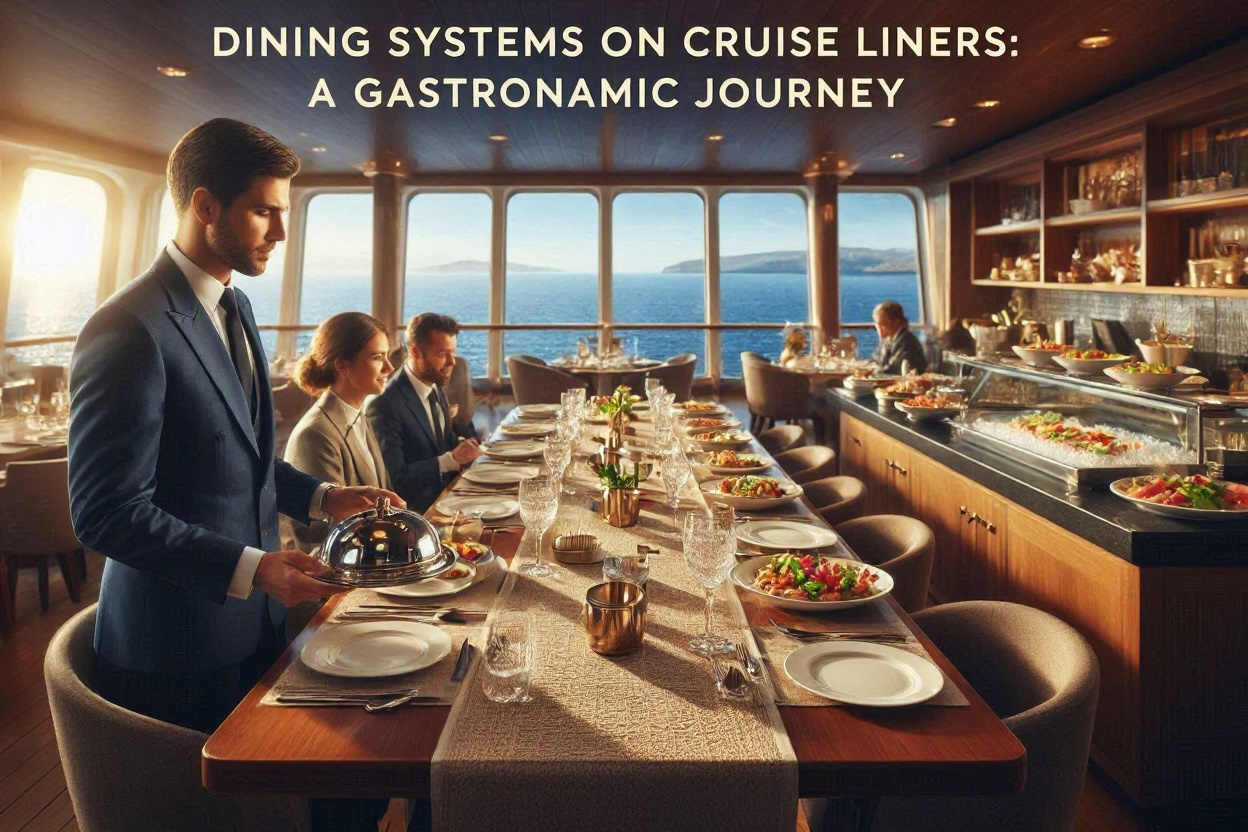
The main dining room is often the centerpiece of a cruise ship's dining program. It typically serves breakfast, lunch on selected days, and dinner in a restaurant-style setting. Passengers can choose from a menu that may include appetizers, soups, salads, main courses, and desserts.
Unlike a buffet, the main dining room provides table service. Guests sit at designated tables, and waitstaff take orders and bring food directly to them. The atmosphere may range from relaxed and informal to elegant, depending on the cruise line and the particular sailing.
Traditional Dining Times
Some cruise lines use a traditional dining system with assigned dinner times. Passengers select an early or late seating and usually return to the same table with the same dining companions each evening. This arrangement creates a predictable routine and allows guests to build a relationship with their servers.
Traditional dining can be especially appealing to families and travelers who enjoy a structured schedule. However, passengers who prefer spontaneity may find fixed dinner times restrictive, particularly when shore excursions run late.
Flexible Dining: Eat According to Your Schedule
Many cruise lines also offer flexible dining arrangements. Instead of attending dinner at a fixed time, passengers can visit the main restaurant during designated operating hours. Depending on the cruise line, they may be able to reserve a table in advance or arrive and wait for one to become available.
Flexible dining works well for travelers who want to spend more time exploring ports, watching sunset views, or participating in onboard activities. It also provides greater freedom for passengers who do not want every evening to follow the same routine.
However, flexibility does not necessarily mean unlimited access at any hour. Restaurants still have operating schedules, and popular dining periods may involve waiting times. Checking the ship's daily schedule helps passengers avoid unnecessary delays.
Buffet Restaurants: Variety and Convenience
Buffet restaurants are among the most convenient dining options on cruise ships. Passengers can select their own portions from a range of prepared dishes without waiting for a traditional restaurant meal to be served.
Depending on the vessel, the buffet may offer salads, grilled meats, seafood, pasta, soups, vegetables, international specialties, fresh fruit, and desserts. Breakfast often includes eggs, bread, cereals, pastries, and hot drinks.
The main advantage is choice. Passengers with different tastes can select different meals while sitting together at the same table. Buffets are also useful when travelers need a quick lunch before an excursion or want a casual meal after spending time by the pool.
Nevertheless, buffet quality and variety vary between cruise lines and ships. During busy periods, popular stations may become crowded, so visiting outside peak meal times can make the experience more comfortable.
.jpg)
Specialty Restaurants: A Premium Culinary Experience
Many cruise ships feature specialty restaurants that focus on a particular cuisine or dining style. These may include steakhouses, Italian restaurants, sushi bars, seafood venues, French-inspired dining rooms, or restaurants built around a chef's tasting menu.
Unlike the main dining room and standard buffet, specialty venues often require an additional payment or a reservation using a dining package. Some cruise fares include limited specialty dining benefits, particularly in higher cabin categories or promotional offers.
Are Specialty Restaurants Worth the Extra Cost?
The answer depends on personal preferences and the cruise fare. Travelers celebrating a birthday, anniversary, or other special occasion may appreciate the more intimate atmosphere and specialized menu. Food enthusiasts may also find that a premium restaurant adds variety to a longer voyage.
Before booking, check whether the advertised price includes all courses, service charges, and beverages. Some menus have fixed prices, while others charge separately for individual dishes or premium ingredients.
Articoli popolari



What Does All-Inclusive Dining Actually Include?
One of the most common misunderstandings about cruise vacations is that every restaurant and drink is automatically included in the fare. In reality, inclusions vary considerably by cruise line, fare type, and promotional package.
A standard cruise fare commonly covers meals in designated main restaurants and buffet venues. It may also include selected snacks and casual dining options. However, specialty restaurants, premium coffees, alcoholic beverages, bottled water, and certain room-service items may incur extra charges.
Travelers should examine the fare conditions before booking. A more expensive package may include dining credits or drinks, but it is worth comparing those benefits with the cost of paying for the services individually.
International Cuisine at Sea
Cruise dining can introduce passengers to a wide range of culinary traditions. Depending on the itinerary and cruise line, menus may feature Mediterranean seafood, Asian-inspired dishes, regional European specialties, American comfort food, and local ingredients associated with ports of call.
Some ships incorporate destination-inspired meals into the onboard experience. A Mediterranean itinerary might feature regional olive oils, fresh fish, pasta, and local desserts, while a voyage through northern Europe may showcase seafood and traditional regional dishes.
These menus allow passengers to continue exploring a destination through its food, even after returning to the ship.
Special Dietary Requirements and Food Allergies
Passengers with dietary restrictions should contact the cruise line before departure. Many ships can accommodate vegetarian, vegan, gluten-free, and other dietary requirements when given sufficient notice, although the available options depend on the operator and itinerary.
Guests with serious food allergies should communicate their needs clearly to the cruise line and restaurant staff. They should not assume that every dish is free from cross-contact with allergens simply because the ingredient is not listed on the menu.
It is also useful to speak with the dining team on embarkation day. Early communication gives staff more time to explain available choices and clarify how special meals are prepared.
.jpg)
Room Service and Late-Night Snacks
Room service offers another way to enjoy food onboard. Passengers may be able to order breakfast, snacks, or selected meals directly to their cabin. The menu and charges vary, and some cruise lines provide complimentary options while charging for certain items or delivery periods.
Late-night snacks can be particularly useful after evening entertainment or when passengers return from a long shore excursion. However, availability may be limited outside regular restaurant hours, so checking the ship's schedule is advisable.
How to Get the Best Dining Experience
A little planning can help passengers enjoy the variety of cruise dining without spending more than necessary.
- Review which restaurants are included in the cruise fare.
- Make specialty restaurant reservations early when required.
- Check dining schedules before planning evening activities.
- Ask about dietary accommodations before boarding.
- Compare dining packages with the cost of individual meals.
- Try regional dishes that reflect the destinations on the itinerary.
It is also worth avoiding the temptation to schedule every meal in advance. Leaving room for spontaneous choices can make the culinary experience more enjoyable, particularly on ships with several included dining venues.
A Gastronomic Journey Beyond the Destination
Dining on a cruise liner is an important part of the vacation rather than simply a practical necessity. From traditional restaurant service and convenient buffets to premium specialty venues and destination-inspired menus, passengers can explore different flavors throughout the voyage.
The best dining arrangement depends on individual preferences, the cruise itinerary, and the available budget. By understanding what is included, checking restaurant schedules, and planning for any special requirements, travelers can enjoy a rewarding culinary experience without unexpected expenses.
For many passengers, the most memorable cruise meals are not necessarily the most expensive. Sometimes a relaxed breakfast overlooking the ocean, a regional dish inspired by the day's destination, or a shared dinner after an exciting excursion becomes one of the highlights of the entire journey.